contact@carbonfootprint.in Coimbatore +91 88254 47365

econet

How Carbon Footprint Helps the Textile Industry Reduce Carbon Footprint

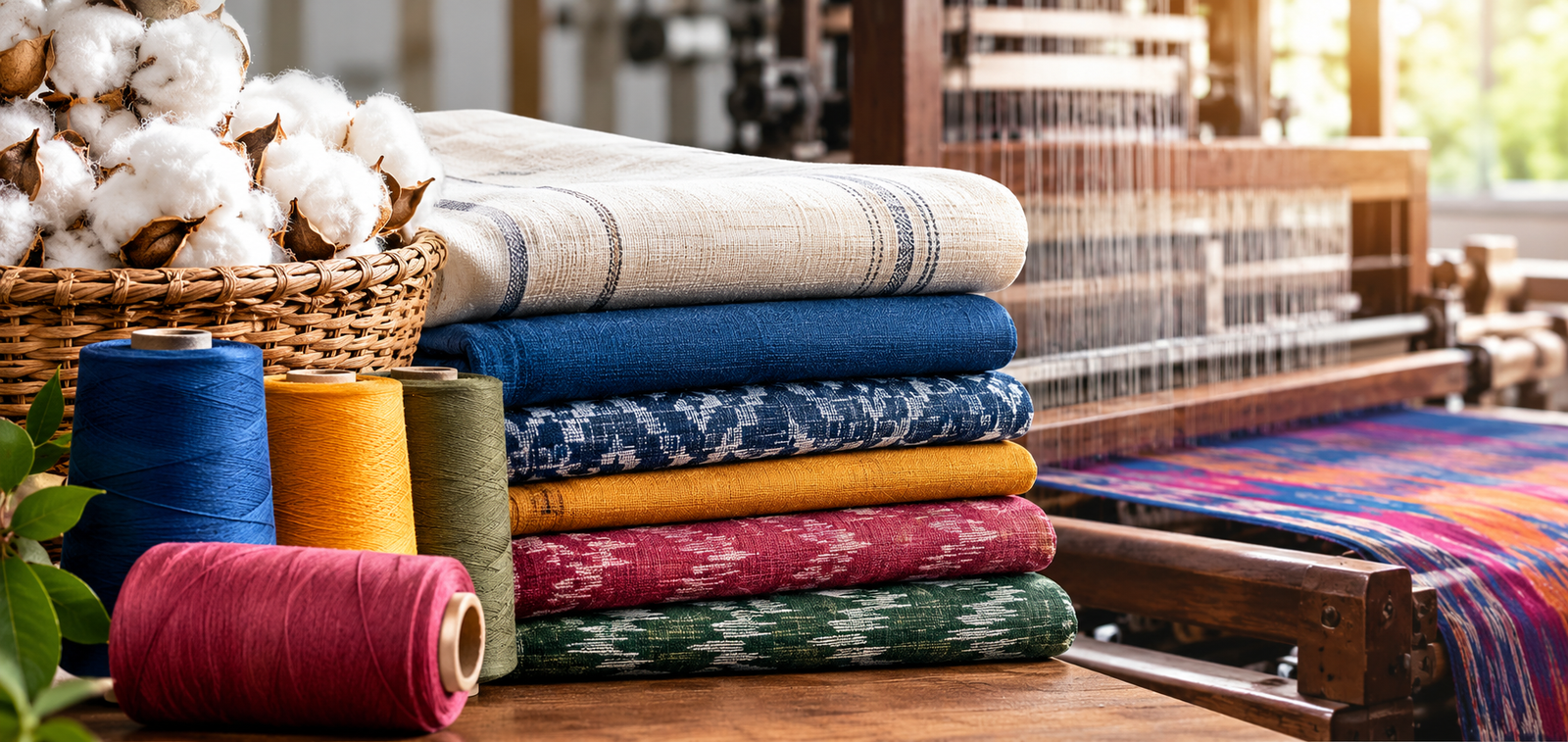
The textile and apparel industry is a complex, resource-intensive sector that spans fiber production, spinning, weaving, knitting, dyeing, processing, garment manufacturing, packaging, distribution, and retail. Each stage can generate greenhouse gas emissions through energy consumption, thermal processes, chemical use, transportation, and raw material production. As global brands, buyers, regulators, and consumers increasingly demand greater environmental transparency, textile businesses are looking for practical ways to reduce emissions while maintaining product quality, production efficiency, and competitiveness.
At Carbon Footprint, we help textile manufacturers and businesses understand the sources of their emissions and develop practical strategies to reduce their environmental impact. Our approach covers the complete textile value chain, from raw materials and production facilities to finished products and distribution. We combine carbon measurement, operational analysis, sustainability planning, and performance monitoring to help organizations move from identifying emissions to implementing meaningful reduction measures.

Our Approach

Mapping Emissions Across Textile Operations

Textile production involves numerous interconnected processes, making it important to understand emissions at each stage. We begin by mapping the organization's operational activities and identifying where greenhouse gas emissions are generated.

Our assessment can cover spinning mills, weaving and knitting units, dyeing and finishing facilities, garment factories, warehouses, offices, captive power systems, transportation operations, and other relevant activities.

We establish an emissions baseline that helps management understand which processes contribute most significantly to the organization's carbon footprint. This allows reduction efforts to be directed toward areas with meaningful potential for improvement.

Improving Thermal and Process Efficiency

Heat is fundamental to many textile processes, particularly dyeing, drying, finishing, washing, and steam generation. Boilers, thermic-fluid systems, dryers, and other thermal equipment can therefore represent important areas for carbon reduction.

We assess thermal energy consumption and identify opportunities to improve efficiency through measures such as heat recovery, improved insulation, steam-system optimization, condensate recovery, efficient combustion, and process temperature optimization.

By reducing unnecessary energy losses, textile facilities can lower fuel consumption while maintaining required production conditions.

Cleaner Energy for Textile Manufacturing

Textile manufacturing facilities often operate energy-intensive machinery for extended periods. Transitioning part of this energy demand toward cleaner sources can substantially improve their emissions profile.

We help organizations evaluate renewable-energy opportunities based on their operational requirements. This can include onsite renewable generation, renewable electricity procurement, energy sourcing assessments, and strategies for increasing the share of lower-carbon electricity.

Our assessment considers energy consumption patterns, facility requirements, available renewable resources, and the organization's long-term carbon reduction objectives.

Sustainable Fibre and Raw Material Strategies

The environmental footprint of textiles begins well before a material reaches the factory. Fibre production and raw material sourcing can influence the overall lifecycle impact of textile products.

We help businesses evaluate their material portfolio and identify opportunities to increase the use of recycled, responsibly sourced, or lower-impact fibres where technically and commercially appropriate.

Our work can also support organizations in developing material-selection criteria that consider carbon intensity, resource consumption, recyclability, durability, and end-of-life considerations.

This enables textile companies to incorporate environmental considerations into product development and procurement decisions.

Reducing Emissions from Dyeing and Finishing

Dyeing and finishing are important stages in textile manufacturing because they involve combinations of heat, water, chemicals, drying, and mechanical processing.

We examine production practices to identify opportunities for reducing energy and resource intensity. Depending on the facility, this may involve process optimization, improved equipment utilization, heat recovery, efficient drying, production-batch optimization, and other operational improvements.

Reducing resource requirements at the process level can simultaneously contribute to lower energy consumption, reduced emissions, and improved production efficiency.

Digital Monitoring of Energy and Emissions

Carbon reduction requires reliable operational data. We help textile organizations strengthen their systems for collecting and monitoring information related to electricity, fuels, production volumes, transportation, waste, and other relevant activities.

Digital monitoring can help identify unusual consumption patterns, compare performance between production lines, and establish meaningful performance indicators.

With better data visibility, management teams can identify where energy and emissions are increasing and take corrective action more quickly.

Managing Carbon Across the Textile Supply Chain

Textile supply chains frequently involve multiple stages and geographically dispersed suppliers. Fibre producers, yarn suppliers, fabric manufacturers, dyeing units, accessories suppliers, packaging providers, logistics companies, and garment manufacturers may all contribute to the final product's environmental footprint.

We help organizations improve visibility across these relationships through supplier data collection, emissions assessments, sustainability criteria, and supplier engagement initiatives.

This enables businesses to move beyond measuring emissions from their own facilities and begin addressing broader value-chain impacts.

Smarter Logistics and Distribution

Finished textiles and apparel may travel through several stages before reaching customers. Raw materials, intermediate products, and finished goods can move between factories, warehouses, ports, distributors, and retail locations.

We assess logistics-related emissions and identify opportunities to improve transportation efficiency. Strategies can include shipment consolidation, improved route planning, better vehicle utilization, reduced empty transportation, and evaluation of lower-emission logistics options.

For export-oriented textile businesses, understanding emissions associated with international logistics can also support more transparent product and supply-chain reporting.

Circularity and Textile Waste Reduction

Textile waste represents both a resource challenge and an emissions challenge. Cutting waste, rejected products, production remnants, damaged materials, packaging, and end-of-life textiles can all contribute to environmental impacts.

We help organizations explore opportunities to prevent waste at source and increase reuse and recovery. Production planning, optimized cutting patterns, material segregation, recycling partnerships, and product durability initiatives can reduce the quantity of material requiring disposal.

Circular approaches can also reduce dependence on virgin resources by keeping materials in productive use for longer.

Lower-Carbon Packaging

Packaging is another area where textile companies can identify opportunities for improvement. Garments and textile products may require cartons, plastic packaging, labels, protective materials, pallets, and other packaging components.

We assess packaging practices and help organizations explore opportunities to reduce unnecessary material use, increase recycled content, improve recyclability, and select lower-impact alternatives where suitable.

Reducing packaging material can also improve logistics efficiency by lowering weight and volume during transportation.

Product Lifecycle and Design Considerations

Carbon reduction does not stop at the factory gate. The way textile products are designed can influence their environmental impact throughout their lifecycle.

We support organizations in considering durability, material efficiency, repairability, recyclability, and end-of-life management during product development.

Longer-lasting products can reduce the frequency with which replacement products need to be manufactured, while recyclable and recoverable materials can support more circular production systems.

Benefits to Clients

Better Visibility of Carbon Sources

A structured carbon assessment provides organizations with a clearer understanding of where emissions originate across facilities, products, suppliers, and logistics activities.

Appropriately communicate economically sound e-commerce after enterprise services. Dramatically target cross-media solutions and error-free platforms. Monotonectally pontificate 24/365 human capital and dynamic potentialities compellingly pursue

econet Projects

Discover Our Latest Finished

Environmental Works